
The Antioxidant Superberry Backed by Science
Acai berries are more than just a smoothie trend they’re packed with powerful antioxidants that help combat oxidative stress, support heart health, and may even aid in weight management. Backed by emerging clinical evidence, this superfruit is a true nutrient powerhouse.
Acai The Antioxidant Superfruit You Need in Your Diet
Discover the benefits of acai berries from antioxidants and heart health to skin glow and weight management. Learn why this superfruit deserves a place in your diet.
Health Benefits of Acai
Acai berries are antioxidant powerhouses, containing more antioxidants than cranberries, raspberries, or even blueberries. They are especially high in anthocyanins, the same plant compounds that give red wine its heart-healthy reputation. Antioxidants protect your cells from oxidative damage caused by free radicals, which are linked to aging and many chronic diseases including cancer, Alzheimer’s, and heart disease.
Aids in Skin Health and Anti-Aging
Acai’s powerful antioxidants also play a role in skin health. They may help reduce oxidative stress that leads to wrinkles, sagging skin, and discoloration. Many natural skincare products now include acai oil for its rejuvenating properties.
Boosts Brain Function
Some studies indicate that acai may help protect the brain from age-related damage. In animal trials, acai improved memory and motor function, possibly due to its ability to counteract inflammation and oxidative stress.
What is Acai?
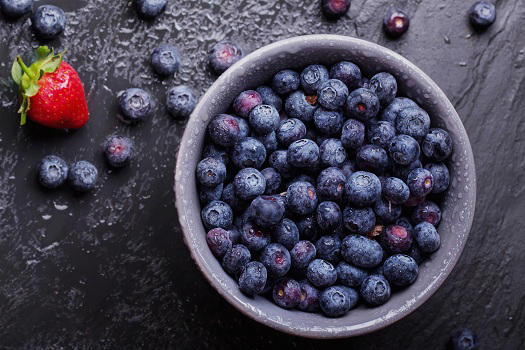
Acai (pronounced ah-sigh-EE) is a small, dark purple berry that comes from the acai palm tree, native to the Amazon rainforest. While it may resemble a blueberry or grape, the acai berry has a unique nutrient profile that has earned it “superfood” status. These berries have been a staple food in Brazilian diets for centuries, typically consumed as a pulp or juice. Today, they are commonly found in acai bowls, powders, supplements, and frozen smoothie packs.
Supports Heart Health
Thanks to their antioxidant content and healthy fatty acids (like oleic acid), acai berries may support cardiovascular health. Animal studies suggest that acai can help lower LDL (bad) cholesterol and reduce inflammation, both of which are key factors in heart disease.
May Help With Weight Management
Acai is sometimes promoted for weight loss support, although more human studies are needed. Early research suggests it may help control appetite and blood sugar, especially when paired with a balanced diet and exercise. It’s a low-sugar fruit, rich in fiber and healthy fats both of which promote fullness.
Possible Side Effects and Cautions
Acai is generally safe for most people when consumed in food amounts. However, supplements should be taken with caution if you're pregnant, breastfeeding, or on blood pressure or diabetes medications. Some acai supplements may interact with medications, especially due to their blood-thinning effects.
Final Thoughts
Acai isn’t just a trendy bowl topping it’s a genuine nutrient-dense superfruit. With benefits ranging from cell protection and heart health to glowing skin and potential brain support, it’s a smart addition to any diet. Just be mindful of sugar-filled versions and stick to high-quality, organic acai to enjoy all the goodness it has to offer.